

Search, discovery, and conversion are increasingly driven by AI-powered experiences that prioritize direct answers over traditional lists of links. Mobile-first performance and ux expectations continue to rise, making it necessary for brands to adopt leaner, faster architectures. In this highly competitive landscape, the ability to deliver personalized value in real-time determines which stores thrive and which fade into digital obscurity.
Data ownership and trust have become core marketing assets in a privacy-first world where third-party identifiers have largely vanished. Fortunately, Magento’s flexibility remains a significant advantage, supporting both complex B2C journeys and the fast-growing B2B strategies that define the modern market. By leveraging the platform’s robust architecture, merchants can build highly resilient systems that adapt to the rapid technological shifts of the coming decade.
Digital marketing environment for Magento stores in 2026
By 2026, the way shoppers interact with online stores has fundamentally changed. The era of the simple search bar is being replaced by proactive, agentic commerce, where AI assistants help users navigate catalogs based on intent. Merchants must now view their product data as a library for intelligent agents rather than just a catalog for browsers.
- Intelligence: AI-driven discovery layers now sit between the user and the storefront to curate options.
- Accessibility: Content must be formatted for machine readability and voice search to stay relevant.
- Intent: Systems predict what a user wants before they finish typing by analyzing historical context.
- Predictive stocking: Marketing campaigns are now synced with AI-driven inventory forecasts to prevent waste.
- Zero-click search: Stores must optimize for snippets that provide immediate value on search engine result pages.
Performance is also non-negotiable in this high-speed era. With the widespread adoption of 5G and the expectation of instant interaction, any delay in page load is a direct hit to the conversion rate. Consumers no longer distinguish between a website and a mobile app, demanding the same level of fluidity from both.
- Speed: Under one-second load times are the new standard for mobile commerce to prevent bounce rates.
- Trust: First-party data collection has become the ultimate competitive advantage for personalized marketing.
- Retention: Seamless, friction-free checkouts are essential for long-term loyalty and reducing abandoned carts.
- Global reach: Content delivery networks are now more localized to ensure speed across different geographic regions.
- Security: Blockchain-verified transactions and secure data encryption are standard requirements for consumer trust.
Top digital marketing trends in 2026 for Magento stores
The following trends represent the most impactful shifts in how Magento stores will reach and convert customers throughout 2026. These strategies focus on deeper integration between technology and creative content.
AI-powered personalization and conversational search
Personalization has evolved from “customers also bought” widgets to real-time personalization across product pages, content, and offers. Machine learning directly within the Magento ecosystem allows stores to dynamically adjust layouts based on a shopper’s real-time psychological profile and browsing speed.
- Behavioral adjustment: Pages shift focus based on social media referral source to match expectations.
- Dynamic content: Banners and highlight sections change to match user intent and previous purchase history.
- Offer optimization: Pricing and discounts are tailored to individual loyalty levels and real-time demand.
- Hyper-segmentation: Marketing lists are now segmented into thousands of micro-audiences for maximum precision.
- Mood-based UI: The color palette and imagery of the store can shift based on the customer’s detected sentiment.
Voice and conversational search are also shaping product discovery. Users are increasingly asking complex questions rather than using single keywords to find specific items. To stay visible, merchants are using a Magento 2 SEO extension for structured data. This helps in mapping the relationship between products and their specific use cases.
- Natural language: Search queries are now full sentences and questions mirroring human conversation.
- Contextual results: AI assistants filter products based on specific user constraints like budget or sizing.
- Agentic commerce: Chatbots can now complete full transactions within the chat UI without external redirects.
- Multilingual search: AI-driven translation allows users to search in any dialect and receive accurate results.
- Visual search: Customers can upload photos to the search bar to find exact or similar items in the store.
Headless commerce and PWA adoption
The move toward headless Magento with PWAs is delivering app-like performance that traditional themes cannot match. Decoupling the frontend from the backend creates lightning-fast interfaces that respond instantly to touch, allowing for a much more creative and interactive presentation of brand values.
- Responsiveness: Instant transitions between categories and product pages eliminate navigation fatigue.
- Offline access: Limited browsing capabilities, even with poor connectivity, allow for consistent shopping.
- UX parity: Mobile web experiences that feel exactly like native applications without the download.
- Platform independence: A single frontend can serve web, mobile, and IoT devices simultaneously.
- Customization: Developers can build unique interfaces that are not restricted by Magento’s default theme engine.
Beyond the user experience, there are significantly faster load times, improved core web vitals, and seo benefits. Search engines prioritize sites that provide a stable, fast experience. This technical foundation is the primary requirement for any brand wanting to rank high in an increasingly crowded marketplace.
- Architecture: Composable frontends allow for rapid aesthetic updates without interrupting backend logic.
- SEO: Better rankings through superior technical performance metrics and lower cumulative layout shifts.
- Experimentation: Marketing teams can test new layouts without backend risk or developer bottlenecks.
- Resource efficiency: Faster sites use less data and energy, appealing to eco-conscious consumers.
- Stability: Decoupled systems are more resilient to spikes in traffic during major sales events.
Social commerce and video-led content
Social platforms like TikTok, Instagram, and YouTube have solidified their roles as primary discovery channels. The boundary between a social app and an online store is almost invisible, creating a “shoppable web” where every piece of media is an entry point. This makes Magento online marketing strategies more integrated than ever before.
- Discovery: Most product journeys now begin in a social media feed rather than a search engine.
- Seamless checkout: In-app purchases sync directly with Magento inventory to ensure accuracy.
- Virality: Content-driven spikes require highly scalable hosting environments to handle sudden surges.
- Influencer tagging: Direct links from creator posts allow for instantaneous tracking of referral sales.
- Social listening: Marketing teams use social trends to inform which products to highlight on the homepage.
Short-form video and live commerce are the primary drivers of engagement. Merchants are moving away from static images in favor of videos that show products in action. This format provides a level of detail and storytelling that static photography simply cannot replicate for complex items.
- Demonstration: Videos provide a better context for product size, utility, and real-world application.
- Live events: Real-time shopping streams drive high-urgency conversions through limited-time social offers.
- On-site integration: High-performing social content is repurposed on product pages to provide social proof.
- Interactive video: Users can click on items within a playing video to see price tags and details.
- Educational content: How-to videos and tutorials replace traditional instruction manuals on product pages.
Immersive experiences using AR and VR
Augmented reality and virtual reality have moved from gimmicks to essential conversion tools. For Magento stores in categories like furniture or fashion, virtual try-ons are now standard. These tools allow consumers to overcome the primary barrier of online shopping: the inability to touch or try a product.
- Visualization: Customers see how products look in their personal space before committing to a purchase.
- Try-ons: Virtual fitting rooms reduce the likelihood of returns by ensuring a better initial fit.
- Interaction: 3d models allow users to inspect products from every angle with high-resolution detail.
- Gamification: Brands use AR games to reward users with discounts for interacting with digital assets.
- Virtual showrooms: Shoppers can walk through a digital representation of a flagship store from home.
These immersive experiences lead to higher dwell time and improved conversion confidence. Interacting with a product in a 3d space creates a stronger emotional connection to the item. This deeper engagement is what separates modern digital storefronts from the static websites of the previous decade.
- Engagement: Users spend significantly more time on interactive pages than on standard text pages.
- Differentiation: High-tech visuals set brands apart in crowded markets by showing technological leadership.
- Confidence: Reduced buyer remorse through better product understanding and expectation setting.
- Accessibility: Ar features help visually impaired users by providing audio descriptions of 3d assets.
- Sustainability: Reducing returns through better visualization significantly lowers the brand’s carbon footprint.
Data privacy and first-party data strategies
As the industry faces a reduced reliance on third-party cookies, Magento stores must pivot toward first-party data. The focus has shifted to zero-party data for targeted campaigns. This means brands must offer clear value—such as exclusive content or early access—in exchange for customer information.
- Direct input: Customers share preferences through quizzes and surveys to help brands understand them.
- Permission: Users opt-in for personalization in exchange for tangible value like loyalty points.
- Quality: Higher accuracy in targeting using owned customer databases rather than rented third-party lists.
- Email maturity: Newsletter strategies have moved from mass blasts to highly personal, value-driven notes.
- Value exchange: Clearer “contracts” between brands and users regarding how data is used for benefit.
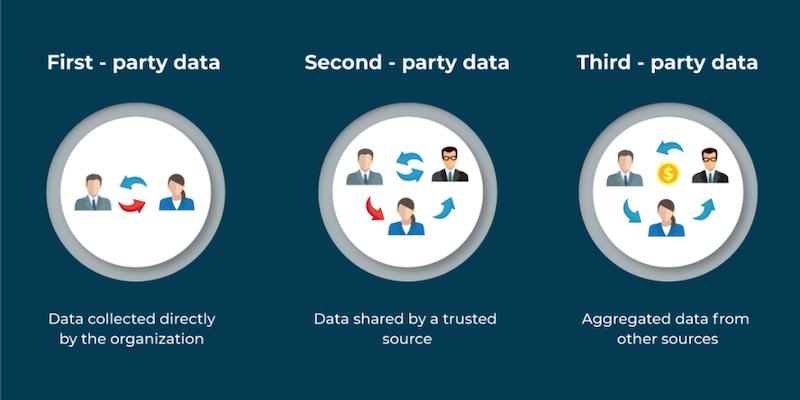
Trust-based personalization and compliance-driven marketing are the new standards. Customers are willing to share data if they know it is protected and used to simplify their lives. Transparency is no longer a legal requirement but a marketing strategy used to build brand affinity.
- Transparency: Clear communication on how data improves the shopping experience builds long-term trust.
- Security: Using Magento’s robust framework and patches to ensure data privacy and prevent leaks.
- Compliance: Strict adherence to global privacy laws like gdpr and ccpa is a foundational trust signal.
- Data minimization: Only collecting the data that is absolutely necessary for the transaction or service.
- Identity management: Providing users with easy-to-use dashboards to manage their own data and privacy.
Creator-led marketing and user-generated content
There is a noticeable shift toward niche creators and co-created content. Rather than chasing celebrities, brands partner with smaller influencers who have highly engaged audiences. This Magento SEO marketing approach builds long-term authority through genuine community endorsement.
- Authenticity: Niche experts provide more believable recommendations that resonate with their followers.
- Community: Creators act as a bridge between the brand and the buyer, humanizing the company.
- Niche reach: Targeted access to very specific consumer demographics that are hard to reach via ads.
- Long-term partnerships: Moving away from one-off posts toward year-long brand ambassador roles.
- Content ownership: Brands are license-purchasing creator content to use in their own paid advertising.
User-generated content is being integrated into product pages to serve as social proof. Seeing real people use a product in real settings carries more weight than professional photos. This strategy leverages the natural tendency of consumers to look to their peers for validation before spending money.
- Social proof: Photos and videos from customers build immediate trust for new site visitors.
- Efficiency: Lower content production costs through community contributions and curated social feeds.
- Conversion: Reviews with media have a much higher influence on final sales than text-only reviews.
- Community building: Featuring customers on the brand site encourages more people to share their own content.
- Feedback loop: Using customer photos to identify how products are actually used in the real world.
B2B-focused digital marketing on Magento
B2B ecommerce is seeing a massive surge on the Adobe Commerce platform. In 2026, B2B buyers expect a B2C-like experience but with specialized functionality for business. This means the marketing funnel for B2B must be just as engaging as retail, but with deeper data integration.
- Self-service: Buyers manage accounts and orders without assistance to save time and reduce errors.
- Customization: Personalized catalogs based on specific contract terms and negotiated pricing.
- Complexity: Support for tiered pricing, bulk purchase workflows, and multiple shipping locations.
- Approval workflows: Marketing content must cater to different roles within the buying committee.
- Integration: Direct connections between Magento and B2B procurement systems are now expected.
Marketing for B2B is now aligned with longer B2B buying cycles. Magento stores use content marketing and lead nurturing to stay top-of-mind over several months. This requires a shift from “selling” to “educating” through every stage of the professional buyer’s journey.
- Nurturing: Automated email flows based on technical whitepaper downloads and webinar attendance.
- Loyalty: Re-ordering tools and subscription models that make repeat business effortless.
- Specifications: Detailed data sheets that satisfy technical stakeholders and procurement officers.
- Case studies: Real-world examples of how the products solve specific business challenges.
- Personalized demos: Using AR or video to show how products fit into an existing B2B workflow.
Essential actions for Magento merchants in 2026
To stay ahead of these trends, Magento merchants should take the following practical steps to future-proof their operations:
- Optimize for answer engine optimization (AEO): Focus on providing direct, structured answers to customer questions. Use clear headings and schema markup so AI search engines can easily cite your content. This involves moving beyond keyword density toward intent-based content mapping.
- Adopt composable commerce: Use an api-first architecture to ensure your store can connect with new tools as they emerge. A flexible backend allows you to swap frontends or add marketing tech without a site rebuild. This agility is the key to surviving rapid technological pivots in 2026.
- Integrate sustainability messaging: Modern consumers care about environmental impact. Be transparent about your supply chain and carbon footprint directly on your product pages. Use digital badges and detailed reports to prove your commitment to ethical commerce and eco-friendly practices.
- Invest in first-party data infrastructure: Build robust systems for capturing customer data directly and ethically. Use this data to power your AI engines and personalization tools, ensuring you are not dependent on external advertising networks that may change their rules.
Conclusion
Success for Magento stores in 2026 requires a blend of technical excellence and human-centric marketing. By embracing AI-driven personalization and PWAs, merchants can create a resilient business that meets the high expectations of the modern shopper. The focus must remain on making the shopping journey as effortless as possible across every touchpoint. Those who balance these emerging trends will be well-positioned to lead the next era of ecommerce.
Maintaining a competitive edge in 2026 means viewing your Magento store not just as a shop, but as a dynamic data-driven platform. As digital marketing trends in 2026 for Magento stores continue to evolve, the winners will be those who prioritize the customer experience above all else. By investing in speed, trust, and immersive content today, you are building the foundation for a decade of growth and innovation in the digital marketplace.