
The fashion industry has always been a fast-moving sector, but in 2026, the pace of change has reached new heights. For retailers operating on the Magento platform, the challenge is no longer just about having a functional website.
It is about standing out in a crowded digital landscape where consumer attention is a scarce commodity. Today’s shoppers expect more than just a list of products; they want experiences that feel personal, immediate, and highly visual.
As trend cycles shrink and consumer expectations rise, businesses must adapt their promotional tactics to remain competitive. This article explores the most efficient marketing strategies for Magento fashion stores in 2026 to drive sustainable growth.
Marketing landscape for Magento fashion stores in 2026
The current year has brought about several fundamental shifts in how fashion is discovered and purchased. Understanding these changes is the first step toward building a successful promotional plan that resonates with modern buyers.
Faster trend cycles and shorter product lifespans
In 2026, the concept of “seasonal” fashion has almost disappeared from the digital retail space. Driven by real-time data and viral social media moments, trend cycles now move in weeks or even days.
Fashion brands must be incredibly agile, moving from design to shelf faster than ever before. This rapid turnover means that marketing campaigns must be equally fast to capture shifting consumer interest.
Key factors driving these accelerated cycles include:
- Real-time trend tracking through sophisticated social listening tools.
- Micro-collections launched every few weeks to keep the storefront fresh.
- Immediate consumer feedback loops via live streaming and interactive comments.
- High-frequency production models that favor smaller, more frequent inventory drops.
Magento stores need to leverage their flexible catalog management to launch new collections frequently. Promoting these items while the trend is still peaking is essential for maximizing conversion rates and minimizing dead stock.
This environment requires marketers to think like newsrooms, reacting to culture in real-time. The ability to pivot creative assets and promotional spending within hours is what separates market leaders from laggards.
Social and visual channels driving first-touch discovery
Discovery rarely begins on a search engine in 2026; instead, it starts in the social feed. For the modern fashion consumer, the first point of contact with a brand usually happens on immersive social platforms.
Visual content acts as the primary driver of brand awareness, replacing traditional text-based advertisements. These channels act as digital shop windows, making the social presence a direct extension of the storefront.
The most effective visual discovery methods currently include:
- Immersive augmented reality filters that allow for virtual try-ons of accessories.
- Curated high-definition image feeds tailored to specific individual style aesthetics.
- Interactive stories that allow users to vote on upcoming designs or colors.
- Shoppable video tags that allow for instant checkout without leaving the app.
It is essential for Magento retailers to treat their social presence as a seamless part of the customer journey. This ensures that the transition from discovery on a phone to purchase is entirely frictionless.
The goal is to create a “halo effect” where your social media aesthetics match your website perfectly. This consistency builds trust and makes the brand feel more premium and reliable in the eyes of the consumer.
AI shaping personalization, search, and merchandising
Artificial intelligence is no longer a futuristic concept; it is the backbone of efficient e-commerce. In 2026, AI is used to predict what a customer wants before they even know it themselves.
In the fashion world, this translates to smarter search results that understand style preferences and intent. AI helps bridge the gap between a vast catalog and a single customer’s specific, nuanced taste.
AI influences the shopping experience through:
- Predictive search bars that suggest styles based on visual similarity and history.
- Automated merchandising that reorganizes category pages for each unique user session.
- Virtual stylists that suggest complete outfits based on previous purchases and trends.
- Generative AI models that create personalized lookbooks for high-value segments.
This technology makes the shopping journey feel less like a manual search and more like a guided discovery. It reduces the time users spend scrolling through irrelevant items and increases the likelihood of a sale.
Furthermore, AI-driven backend tools help managers predict which items will become bestsellers. This allows for better inventory allocation and reduces the need for heavy discounting at the end of a cycle.
Growing pressure to prove ROI across all marketing channels
With rising acquisition costs across major ad platforms, there is a significant push for efficiency. Brands can no longer afford to spend their advertising budget without clear, data-driven justification.
Every dollar spent on marketing must be tracked and analyzed for its direct impact on growth and revenue. This has led to a focus on high-intent channels and a deeper reliance on accurate data analytics.
Marketers are now focusing on these efficiency metrics:
- Customer acquisition cost (CAC) relative to long-term lifetime value (LTV).
- Multi-touch attribution modeling that tracks the entire path to purchase accurately.
- Conversion rate optimization (CRO) for specific high-traffic landing pages.
- Return on ad spend (ROAS) calculated at the individual product level.
Marketing teams are now expected to provide clear evidence of return on investment for every campaign. This leads to a more disciplined and data-backed approach to fashion retail across the Magento ecosystem.
By focusing on these metrics, brands can identify “leaky buckets” in their funnel. Fixing these inefficiencies is often more cost-effective than simply increasing the total advertising spend.
What are the most efficient marketing strategies for Magento fashion stores in 2026
To thrive in this environment, Magento store owners should focus on a few core pillars. These strategies maximize both reach and conversion while maintaining operational efficiency in a crowded market.
AI-powered personalization for fashion catalogs
Personalization is the most significant differentiator for fashion brands in 2026. When a user visits your store, they should see a version of the site that reflects their unique style.
This includes personalized product feeds where the layout changes based on previous browsing behavior. If a customer frequently looks at sustainable denim, the homepage should prioritize those specific collections.
Effective personalization tactics include:
- Dynamic banners that change based on the user’s current geographical weather.
- Personalized “complete the look” recommendations on every product page.
- Adaptive navigation menus that prioritize the user’s favorite categories.
- Automated push notifications based on specific items a user has clicked.
Using AI-assisted merchandising helps retailers surface high-converting items automatically. Instead of manually sorting products, the system analyzes which items are trending and likely to sell.
This automation ensures that the most relevant inventory gets the most visibility. It allows the marketing team to focus on creative strategy rather than manual catalog sorting tasks.
Furthermore, personalized sizing recommendations reduce return rates significantly. By using data to suggest the perfect fit, you increase customer satisfaction and protect your profit margins.
Social commerce and video-first discovery
Video content has become the primary language of fashion marketing. Short-form videos that show how a garment fits, moves, and styles are far more effective than static images.
Magento stores should focus on creating shoppable content where users can click on a video and purchase immediately. This reduces the steps between inspiration and transaction.
Key video-first strategies for 2026 include:
- Live stream shopping events with real-time inventory integration.
- Behind-the-scenes content showing the craftsmanship of new pieces.
- User-generated video reviews embedded directly on product pages.
- Style guides that show one item worn in multiple different ways.
Creator-led campaigns have also evolved into long-term styling partnerships. These influencers act as trusted advisors for their audience, providing the relevance that traditional ads often lack.
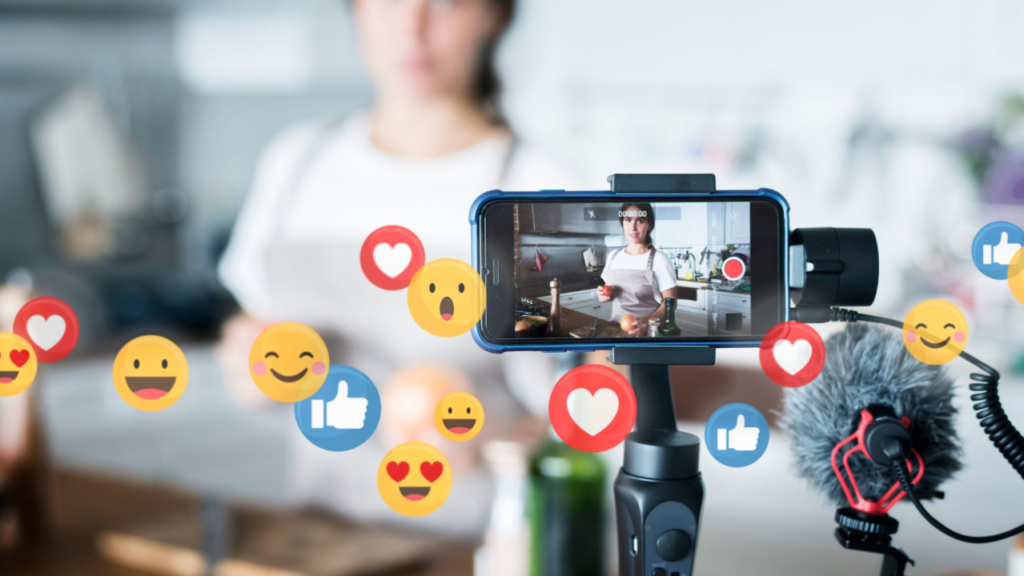
Authenticity is the currency of 2026 fashion marketing. High-production commercials are often less effective than a simple smartphone video from a creator who truly loves the brand.
By integrating these videos directly into the Magento storefront, you bridge the gap between social media and e-commerce. This creates a cohesive narrative that keeps users engaged longer.
SEO focused on categories, collections, and trends
While individual product pages remain important, the real power of search in 2026 lies in category-level optimization. Fashion shoppers often search for broad trends rather than specific items.
By focusing your SEO efforts on these higher-level collections, you capture users at the discovery phase. This positions your brand as an authority on specific styles or movements.
Strategic SEO focus areas include:
- Optimizing for trend-based keywords like “quiet luxury” or “cyber-y2k.”
- Creating evergreen gift guides and style advice articles.
- Developing robust internal linking between blog content and shop categories.
- Using structured data to show product availability and ratings in search results.
Implementing a robust Magento 2 SEO suite allows you to manage metadata and tags across thousands of pages. This is vital for handling the complex filters common in fashion catalogs.
Category SEO also helps with long-tail keyword rankings. When you group products into meaningful collections, search engines can better understand the context and variety of your inventory.
Regularly updating your category descriptions to include current trend terminology is essential. This ensures your store remains relevant to the evolving vocabulary of the fashion world.
Retention-driven marketing using first-party data
As third-party cookies have vanished, first-party data is the most valuable asset a brand owns. Efficient marketing relies on using the information customers give you to drive repeat purchases.
Email and SMS automation should be set up with fashion-specific triggers. For example, sending an automated alert when a previously viewed item comes back in stock is highly effective.
Retention tactics to prioritize include:
- Tiered loyalty programs that offer early access to new drops.
- Personalized birthday discounts and anniversary rewards.
- Post-purchase follow-ups with care instructions for garments.
- Feedback surveys that reward customers for sharing their style preferences.
During peak seasons, having a list of Holiday marketing ideas for Magento can help you stand out. Tactics like early-access sales for members keep your brand top-of-mind.
Your first-party data allows for highly granular segmentation. You can send different messages to “bargain hunters” versus “luxury collectors,” increasing the relevance of every communication.
Building a community around your brand is the ultimate retention strategy. Exclusive access and community-only content turn one-time buyers into dedicated brand advocates.
Mobile-first performance and user experience
In 2026, the majority of fashion shopping happens on mobile devices during short gaps in the day. If your site is slow or difficult to navigate on a phone, you will lose the sale.
Headless Magento architectures and Progressive Web Apps (PWAs) have become the standard for high-performing stores. These technologies provide an app-like experience with lightning-fast load times.
Essential mobile features include:
- One-tap mobile payment integrations like Apple Pay and Google Pay.
- Sticky “add to cart” buttons that remain visible while scrolling.
- Visual search tools that allow users to upload photos to find similar items.
- Optimized image formats that load quickly without losing quality.
Reducing checkout friction is critical for mobile shoppers who value speed. A mobile-first strategy ensures that the journey from discovery to purchase is as seamless as possible.
Mobile users also expect interactive elements like pinch-to-zoom on fabric textures. Providing high-resolution detail on a mobile screen helps build the confidence needed to buy.
Furthermore, mobile-first design should prioritize the “thumb zone.” Key navigation and action buttons should be easy to reach while holding a phone with one hand.
How Magento enables efficient fashion marketing execution
The reason Magento remains a top choice for fashion brands in 2026 is its inherent flexibility. The platform allows marketers to execute complex strategies without constant technical roadblocks.
One of the platform’s greatest strengths is its flexible catalog and category structure. Fashion brands often have deep inventories with many variations in size, color, and material.
Magento enables efficient execution through:
- Automated product relations based on shared attributes and tags.
- Support for multiple storefronts to target different global regions.
- Advanced staging and preview tools for scheduling marketing campaigns.
- Robust API connections for integrating with the latest marketing technology.
Furthermore, Magento provides native support for sophisticated personalization and segmentation. You can group customers based on their lifetime value, style preferences, or geographical location.
This means your Magento BFCM marketing ideas can be tailored specifically to different groups. You can offer high-end deals to VIPs while focusing on value-driven bundles for others.
The platform also excels in managing high traffic spikes during major sale events. This stability is crucial for maintaining brand reputation when thousands of users land on the site simultaneously.
Marketers can also use Magento’s page builder to create immersive landing pages. This drag-and-drop functionality allows for rapid design changes without needing deep coding knowledge.
Finally, the platform’s ability to integrate with the wider marketing ecosystem is unmatched. Whether you are connecting to a CRM or using analytics tools, Magento acts as the central hub.
This setup provides several operational benefits:
- A single source of truth for all customer and inventory data.
- Real-time synchronization with social media and marketplace platforms.
- Simplified reporting across multiple sales and marketing channels.
- Automated syncing with third-party logistics and shipping providers.
Conclusion
The most efficient marketing strategies for Magento fashion stores in 2026 center on technology and storytelling. By embracing AI and video-first discovery, retailers can navigate the landscape with confidence.
The goal is to move beyond being a simple storefront and become a brand that anticipates needs. The future of fashion retail is defined by speed, precision, and relevance at every touchpoint.
By leveraging the full power of the Magento platform, your fashion store can thrive in the competitive market. Start by auditing your current personalization efforts and mobile performance for the best results.
With the right approach, you can turn casual browsers into lifelong brand advocates. Consistency in these strategies will ensure your brand remains relevant in the ever-evolving world of fashion.