
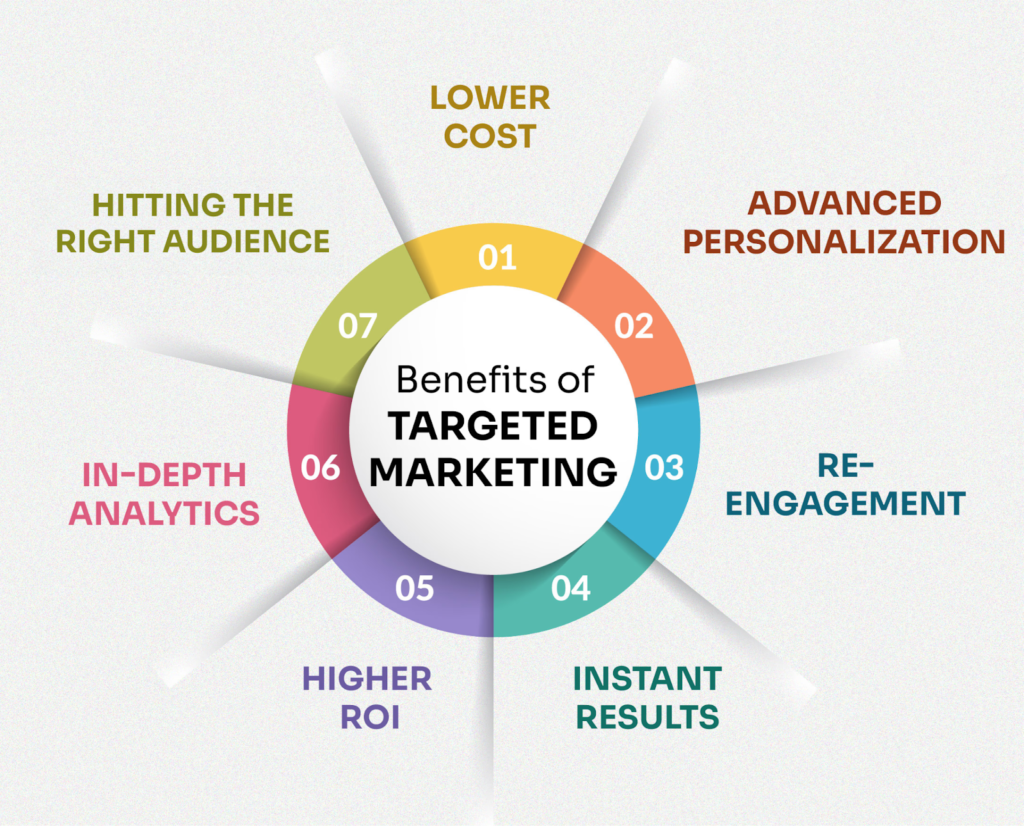
The landscape of business-to-business commerce has shifted significantly toward digital-first interactions. In the past, B2B sales relied heavily on manual outreach and physical catalogs, but today, professional buyers expect the same ease of use they find in consumer shopping. Magento, now part of Adobe Commerce, stands as one of the most powerful platforms to facilitate this transition.
By leveraging its robust architecture, businesses can implement sophisticated marketing strategies that go beyond simple product listings. Digital marketing is no longer just a supporting tool; it is the primary engine for scaling operations and reaching global markets.
Why digital marketing is critical for B2B growth on Magento
- Meeting professional buyer expectations Professional buyers now conduct extensive research online before contacting a sales representative. Digital marketing ensures your brand appears during this critical discovery phase, providing the technical data and trust signals required to enter a buyer’s “shortlist.”
- Building long-term strategic visibility Unlike B2C transactions, B2B sales cycles involve multiple stakeholders and complex approval processes. Digital marketing provides the infrastructure to stay top-of-mind over several months, moving away from generic outreach to deliver value-driven content.
- Transforming static sites into sales tools Magento handles complex data like custom pricing and tiered catalogs, but these features require visibility to be effective. A proactive digital strategy ensures that your platform’s advanced capabilities are actually utilized by your target audience to drive revenue.
How digital marketing drives B2B growth on Magento
The core of B2B success lies in how well a company can connect its marketing activities to the technical capabilities of its platform. Magento’s flexibility allows for a deep level of integration between marketing automation, search optimization, and user experience.
Using Magento data to support targeted B2B marketing
- Converting raw data into actionable insights: Magento collects detailed information on purchase history, login frequency, and category interactions. Digital marketing uses this data to trigger automated email campaigns that offer relevant product accessories or bulk-order discounts tailored to specific buyer needs.
- Leveraging firmographic customer segmentation: Marketers can categorize users by industry or company size using Magento’s native rules. This supports digital marketing trends in 2026 for Magento stores, which emphasize data-driven precision, ensuring a construction firm sees heavy machinery while a medical provider sees laboratory gear.
- Reducing friction in the buying journey: By analyzing which segments interact with specific landing pages, marketing teams can optimize the user flow for high-value accounts. This relevance shortens the decision-making process by presenting the most pertinent technical information immediately upon login.
Driving qualified traffic through SEO and content strategies
- Targeting high-intent professional keywords: B2B SEO focuses on long-tail technical terms rather than broad consumer queries. Magento’s SEO-friendly architecture allows for clean URL structures and high-speed performance, which are essential for ranking in competitive industrial niches.
- Automating technical optimization tasks: Many businesses utilize an SEO Magento 2 extension to manage sitemaps and metadata efficiently. These tools ensure that individual product pages for specialized parts remain visible to procurement officers searching for exact SKUs.
- Establishing authority through thought leadership: Content marketing provides the technical “why” behind your products through whitepapers and integration guides. When buyers find educational content on your site, they are more likely to trust your brand as an expert partner during the procurement process.
Enabling account-based marketing and personalization
- Syncing marketing efforts with high-value accounts: Account-based marketing (ABM) aligns sales and marketing to target specific organizations. Magento supports this via “Company Accounts” where multiple stakeholders share a dashboard, allowing marketing to deliver personalized landing pages for that specific firm.
- Overcoming barriers with localized experiences: For international operations, Magento Multi-Language Marketing is essential for presenting technical documentation in a buyer’s native tongue. Removing language barriers builds immediate trust and simplifies the approval process for global procurement teams.
- Customizing the path to purchase Personalization involves showing negotiated contract pricing or offering “quick order” forms based on previous SKU lists. This makes a large-scale enterprise platform feel like a bespoke service, increasing loyalty and making it easier for clients to reorder.
Learn more: Digital marketing trends in 2026 for Magento stores
Supporting lead nurturing across multiple touchpoints
- Maintaining consistency across devices: B2B buyers often research on mobile during site visits but finalize orders on desktops. Digital marketing ensures the conversation continues seamlessly across all devices, keeping product specifications and quotes accessible wherever the buyer is working.
- Automating the follow-up process: By integrating Magento with CRM systems, marketing can trigger nurturing sequences based on specific behaviors. For example, if a prospect downloads a technical drawing, an automated email can offer a direct consultation with an engineering expert.
- Predicting future buyer needs: Modern marketing automation identifies patterns in consumption to send reorder reminders before a client runs out of a product. This proactive approach turns one-time purchasers into long-term partners by anticipating their operational requirements.
Converting marketing engagement into sales-ready B2B accounts
- Streamlining the bottom-of-funnel experience: Magento provides professional tools like “Add to Cart by SKU” and “Request a Quote” to bridge the gap between interest and sales. Digital marketing drives growth by leading prospects directly to these high-conversion utility features.
- Providing social proof at the point of sale: Displaying industry certifications and compliance badges directly on product pages helps overcome late-stage objections. Marketing engagement is validated by these trust signals, ensuring that procurement officers feel confident in their final vendor selection.
- Optimizing the transition to sales: A well-structured marketing funnel ensures that only “sales-ready” leads reach the account managers. By automating initial education and qualification, digital marketing allows the sales team to focus their energy on closing high-value contracts.
Measuring and scaling digital marketing impact on Magento
Shift from strategy to performance and optimization.
Tracking B2B marketing performance and attribution
- Implementing multi-touch attribution models: B2B journeys are non-linear, requiring sophisticated tracking to see which touchpoints actually drive revenue. Magento’s data allows marketers to credit the specific webinar or technical guide that originally moved a prospect into the funnel.
- Monitoring key B2B growth metrics: Success is measured through Customer Lifetime Value (CLV) and Cost Per Lead (CPL) rather than just simple clicks. Tracking these KPIs ensures that marketing budgets are allocated to the channels that produce the most profitable long-term accounts.
Aligning marketing and sales teams with shared data
- Creating a single source of truth: Magento houses all transaction and customer data in one place, ensuring both teams see the same information. When sales calls a prospect, they can see exactly which marketing materials the buyer has already engaged with on the site.
- Improving lead quality feedback loops: Sales teams can provide real-time feedback on lead quality, allowing marketing to refine their targeting parameters. This alignment prevents wasted effort on unqualified leads and ensures a consistent brand voice throughout the entire customer relationship.
Scaling digital marketing without losing targeting precision
- Using automation to manage complexity: As your product catalog grows, AI-driven tools help manage search ads and product recommendations at scale. This allows a lean marketing team to provide personalized experiences for thousands of different SKUs without manual intervention.
- Expanding via multi-store capabilities: Magento allows you to launch localized stores for different regions from a single backend. This scalability ensures you can enter new markets quickly while maintaining specific regional marketing strategies and local language support.
Conclusion
Digital marketing is the most powerful tool available for B2B companies looking to expand their reach and efficiency. By aligning the technical strengths of the Magento platform with strategic search optimization, account-based marketing, and data-driven personalization, businesses can create a sustainable engine for growth. Success in the modern B2B landscape requires a balance of high-tech automation and high-touch relationship building. As long as you continue to prioritize the buyer’s needs and use data to refine your approach, Magento will provide the perfect foundation for your digital marketing success.