
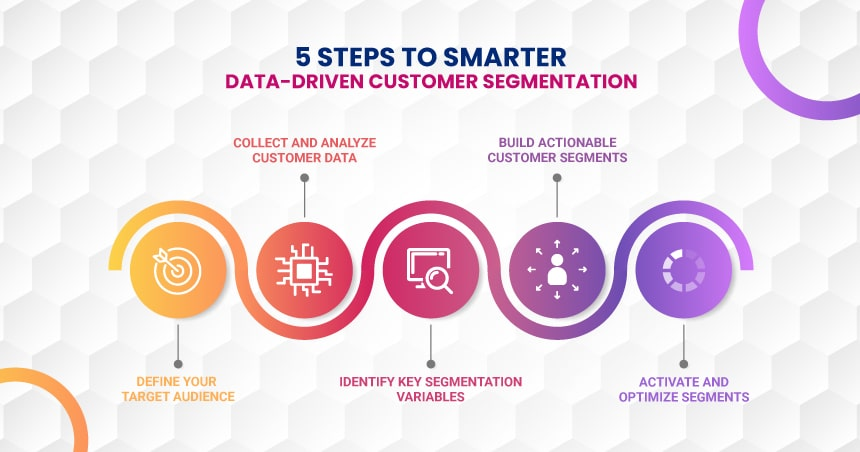
Modern ecommerce is no longer just about having a great product; it is about delivering that product to the right person at the exact moment they need it. As digital marketplaces become more crowded, the ability to stand out depends heavily on how well a business understands its audience.
Magento, now part of Adobe Commerce, has established itself as a leader in this space by providing sophisticated tools that transform raw data into actionable insights. The platform allows merchants to move beyond generic marketing and toward a model where every interaction is tailored to the individual.
By leveraging built-in features and powerful integrations, businesses can identify their most profitable users and nurture them effectively. This article explores how these capabilities function and why they are essential for sustainable business expansion.
Why data-driven customer segmentation matters for growth
Before diving into the technical mechanics of the platform, it is important to understand why segmentation is the foundation of any growth strategy. In the early days of online retail, many brands treated their entire database as a single entity.
Today, that approach leads to wasted budget and high churn rates. Data-driven segmentation allows a business to treat different people differently, which is the only way to achieve high conversion rates at scale.
How customer behavior data drives better decision-making
Data provides a window into the “why” behind customer actions. When a merchant looks at their store’s performance, they might see a high bounce rate on a specific category page. Without segmentation, they might assume the page design is bad.
However, by looking at Data from Magento analytics, they might discover that the page actually converts very well for returning customers but fails to engage first-time visitors who need more educational content.
- Decision-making becomes more precise when it is based on evidence rather than intuition.
- Merchants use behavioral data to see which items are frequently added to wishlists but rarely purchased.
- Targeted promotions nudge customers toward a final checkout without eroding margins across the entire catalog.
Limitations of static customer groups and assumptions
Many platforms offer basic “customer groups,” such as “Retail” or “Wholesale.” While these are useful for basic tax and shipping settings, they are static. A customer stays in that group until an administrator manually changes it.
The problem with this model is that customer behavior is fluid. A “Retail” customer might start buying in bulk and deserve wholesale pricing, or a once-loyal shopper might stop visiting entirely.
- Assumptions are dangerous; a brand might misidentify their primary audience based on branding rather than reality.
- Data often shows revenue coming from unexpected demographics, such as older hobbyists rather than young professionals.
- Relying on static groups ignores these shifts, leading to missed opportunities and irrelevant messaging.
Growth challenges without meaningful segmentation
Without segmentation, growth eventually hits a ceiling. Acquisition costs continue to rise, and if a brand cannot increase the lifetime value (LTV) of the customers they already have, profit margins shrink.
Meaningful segmentation solves these issues by creating a path for personalized communication. It ensures that the marketing team is spending their time and money on the segments most likely to respond.
- High unsubscribe rates often result from sending “one-size-fits-all” email campaigns to a diverse audience.
- Inefficient ad spend occurs when targeting people who have already purchased the item being advertised.
- Low conversion rates stem from irrelevant product recommendations that do not match the visitor’s intent.
- Identifying at-risk customers becomes nearly impossible without tracking engagement patterns over time.
How Magento enables data-driven customer segmentation for growth
Magento provides a robust framework that allows merchants to create dynamic segments that update in real-time. Unlike basic groups, segments in Magento are powered by automated rules.
As soon as a customer meets a specific criterion—such as spending over a certain amount—they are automatically added to the segment. To maximize these features, owners look for the 7 Best Magento 2 GA4 Extensions to match external tracking with internal data.
Collecting and unifying customer data across touchpoints
The first step in effective segmentation is data collection. Magento excels here by acting as a central hub for various touchpoints. It tracks registered user details, guest checkout information, and even browsing patterns for visitors who haven’t logged in yet.
By integrating Google Analytics into Magento store, merchants can bridge the gap between off-site marketing behavior and on-site purchase data.
- The unification of data ensures that segment rules have enough information to be highly effective.
- Merchants track not just what was bought, but how the customer arrived at the store.
- Segments can be created for “Social Media Shoppers” versus “Organic Search Shoppers” to tailor the landing experience.
Using customer groups, attributes, and rules effectively
The real power lies in the Magento rules engine. Merchants can create attributes—custom data fields—for their customers. These might include “Membership Level,” “Preferred Style,” or “Professional Industry.”
Once these attributes are in place, you can build complex segments using “if/then” logic. The platform evaluates these conditions constantly, removing the manual labor of list management.
- Rules can target specific regions, such as “Customers from California” who have spent more than $500.
- Dynamic segments update instantly when a customer’s behavior changes, such as reaching a new spending tier.
- Automation allows growth teams to focus on creative strategy rather than technical database maintenance.
Segmenting customers by behavior, value, and lifecycle stage
Growth is often found in the nuances of the customer lifecycle. Magento allows for segmentation based on three primary pillars that define the user’s relationship with the brand.
- Behavior: Targeting customers who frequently abandon their carts or those who only buy during major holiday sales events.
- Value (RFM): Using Recency, Frequency, and Monetary value to identify “VIPs” versus “At-Risk” users who are currently inactive.
- Lifecycle Stage: Distinguishing between “New Subscribers” who need a welcome nudge and “Repeat Buyers” who deserve loyalty rewards.
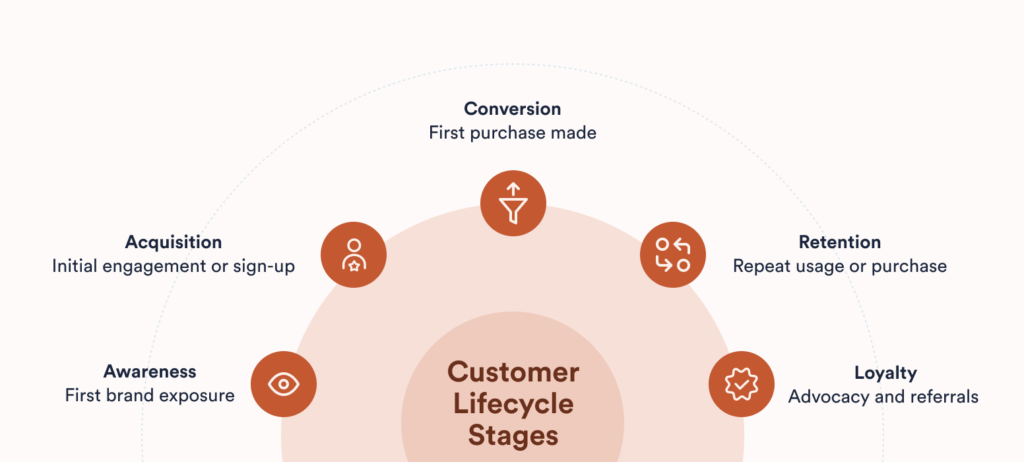
By categorizing users this way, the store can deliver a journey that feels bespoke. A VIP customer seeing a “Welcome” banner feels undervalued, whereas a new visitor seeing a “VIP-only” sale feels excluded.
Activating segmentation across pricing, catalogs, and content
Segmentation is useless if it stays in the database; it must be “activated” on the storefront. Magento allows segments to trigger specific changes in the user experience through various front-end tools.
- Targeted Promotions: Cart Price Rules can apply specifically to segments, like a 10% discount for users with wishlisted items.
- Dynamic Content: Page Builder shows different banners to different segments, such as “Winter Sports” images for enthusiasts.
- Custom Catalogs: Specific categories can be hidden or shown based on a user’s segment, ensuring a relevant shopping experience.
Supporting B2B and account-level segmentation at scale
For B2B merchants, segmentation must happen at the account level. Magento’s B2B module allows companies to be treated as single entities with multiple sub-users.
This enables account-based marketing (ABM), where segments are created based on company size, industry, or purchasing volume. This ensures that the B2B side can scale while maintaining the personal touch that builds long-term partnerships.
- Large enterprise accounts can receive custom price lists and dedicated “Quick Order” dashboards.
- Smaller businesses can be grouped into segments that see standard pricing but receive bulk-buy incentives.
- Granular control allows for different credit limits and payment terms based on the segment’s reliability.
Turning customer segments into measurable growth outcomes
Once the technical setup is complete, the focus shifts to execution. The goal is to move the needle on key performance indicators like Average Order Value (AOV) and Customer Lifetime Value (CLV).
Personalization strategies powered by segmentation
Personalization is the primary vehicle for growth. By using segments, you can implement strategies that reduce friction in the buying process and make the customer feel understood.
- Product Recommendations: Showing “Customers like you also bought…” based on actual segment data rather than global trends.
- Triggered Emails: Sending a win-back email with a unique coupon code specifically to the “Lapsed VIP” segment.
- Geographic Targeting: Offering free shipping to local segments or highlighting winter gear to customers in colder climates.
Measuring performance and refining segments over time
Data-driven growth is an iterative process. Merchants must constantly check their results against their goals to ensure their logic remains relevant to changing market conditions.
- Reporting tools combined with GA4 provide visibility into whether VIP segments are increasing their spend.
- If a segment underperforms, rules are adjusted, such as changing the “High Value” threshold or the “At-Risk” time window.
- Constant refinement ensures that the segmentation strategy evolves alongside the business and its growing database.
Scaling segmentation as data and customer volume grow
As a business grows from 1,000 customers to 1,000,000, the data becomes more complex. Magento’s enterprise-grade architecture is designed to handle this volume without performance degradation.
The platform processes thousands of rule evaluations simultaneously, ensuring that the storefront remains fast. As the dataset grows, the segments can become even more granular, moving from broad regions to specific niche interests.
- Scalability allows for thousands of segments to run concurrently without impacting the checkout speed.
- Granular segments allow for hyper-niche marketing, such as “International Tech Buyers” within specific sub-regions.
- Flexibility ensures that the merchant never loses the ability to speak to the individual, regardless of the total audience size.
Conclusion
Magento provides more than just an online storefront; it offers a sophisticated engine for business intelligence and personalized marketing. By moving from static groups to dynamic, data-driven segments, merchants can unlock new levels of efficiency and growth.
Whether it is through automating VIP rewards, tailoring content for specific behaviors, or scaling B2B account management, the platform empowers brands to build deeper connections. In a world where data is the new currency, using Magento to segment effectively is the surest path to long-term ecommerce success.