
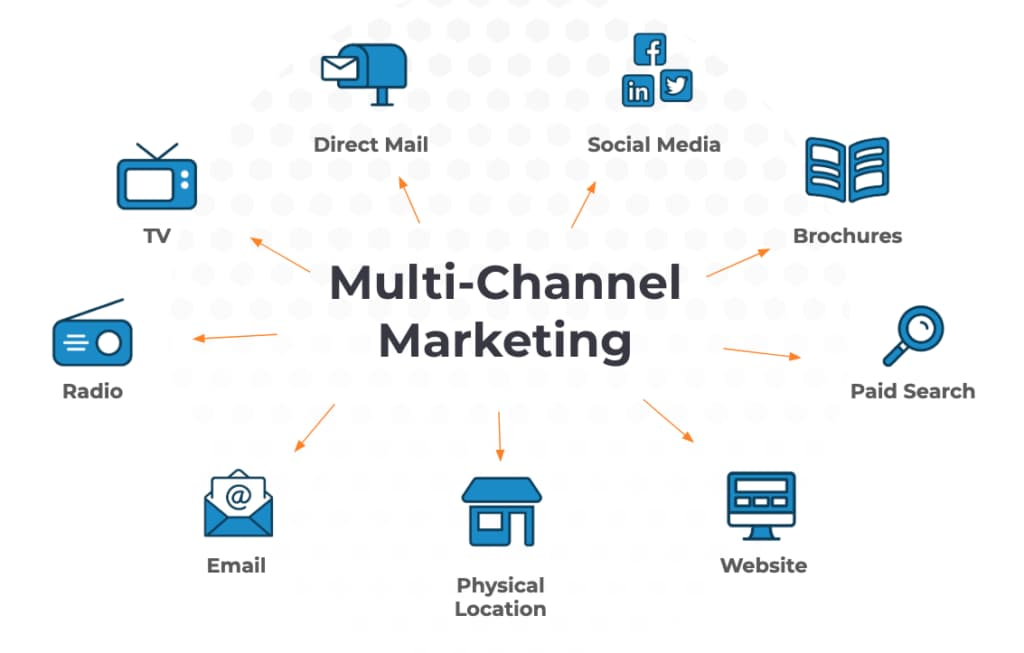
Multi-channel marketing is no longer a luxury for e-commerce brands; it is a necessity for survival in a competitive digital landscape. Brands must meet customers where they are, whether on social media, marketplaces, or search engines.
For businesses running on Magento, the platform offers incredible flexibility and power. However, it also introduces unique hurdles when trying to synchronize messaging across disparate digital touchpoints and external tools.
Navigating these complexities requires a deep understanding of how data flows between your storefront and the external world. A unified approach is essential to ensure a seamless and professional customer experience.
Multi-channel marketing challenges for Magento stores
Transitioning to a multi-channel approach is where most Magento merchants encounter their steepest learning curves. Understanding how multi-channel marketing challenges for Magento stores manifest is the first step toward resilience.
These challenges usually fall into categories of data integrity, customer experience, and financial transparency. Ignoring these pain points can lead to brand erosion and decreased profitability over time.
Fragmented data impacts marketing decisions
When a Magento store operates in a vacuum, data is easy to manage. However, the moment you add Instagram Shopping, Amazon, and Google Ads, data fragmentation begins to erode your visibility.
Information about customer behavior and stock levels starts to sit in different silos. This lack of synchronization creates a jarring experience for shoppers who encounter inconsistent information across platforms.
- Stock-out risks: Selling a product on Amazon that just went out of stock on your Magento site leads to order cancellations and penalties.
- Misaligned messaging: Running a “New Arrival” ad on Facebook for a product that has been moved to the clearance section on your site.
- Wasted ad spend: Targeting users with ads for items they have already purchased because your conversion data hasn’t synced.
The gap between Magento data and external marketing tools
A primary technical hurdle is the “language barrier” between Magento’s internal database and external requirements. Syncing product feeds requires specific attributes that may not exist by default.
Closing this gap involves manual work or specialized tools to translate your data. Utilizing a high-quality Magento SEO suite helps ensure your technical metadata is ready for search engine indexing.
- Attribute mapping: Converting Magento’s “Color” attribute into the specific format required by Google Merchant Center or Pinterest.
- SEO metadata: Ensuring that schema markup and meta tags are consistent across your store and your product feeds.
- Data frequency: Managing how often your store sends updates to external tools to avoid outdated pricing or imagery.
Operational strain as channels and campaigns scale
Scalability is a selling point for Magento, but the operational reality of managing several channels is taxing. Every new channel requires unique creative assets and performance monitoring.
For many merchants, the bottleneck is not the software but the human hours required to keep everything updated. As campaigns grow, the risk of manual entry errors increases significantly.
- Content fatigue: The need to produce unique descriptions and images for various platforms to avoid “duplicate content” SEO penalties.
- Promo synchronization: Manually updating coupon codes in the Magento backend and then replicating them in email and social tools.
- Performance monitoring: Logging into five different dashboards daily to check the health of various advertising campaigns.
Learn more: How Digital Marketing Drives B2B Growth on Magento
Inconsistent customer data across marketing channels
The “holy grail” of modern marketing is a 360-degree view of the customer. Unfortunately, achieving this on Magento while running multi-channel campaigns is notoriously difficult without specialized middleware.
A customer might engage via social login, newsletter signup, and guest checkout using different identifiers. If these identities aren’t merged, your marketing tools will treat them as separate individuals.
- Redundant marketing: Sending a first-purchase discount code to a loyal customer who used a different email address on Instagram.
- Inaccurate segmentation: Failing to identify “VIP” customers because their marketplace purchases aren’t linked to their Magento account.
- Churn risk: Missing the signs of a customer leaving because their support tickets and purchase history exist in separate systems.
Limited visibility into cross-channel customer journeys
Customers rarely buy on their first interaction. They might discover a product via search, research it on a desktop, and complete the purchase on mobile after seeing a retargeting ad.
Mapping this journey is a significant challenge for Magento users. Default reporting shows what happened inside the store, but fails to show the path the user took to get there.
- Touchpoint blind spots: Not knowing if a customer visited your site three times via different social ads before finally purchasing.
- Device switching: The difficulty of tracking a single user as they move from a work laptop to a personal smartphone.
- Reporting delays: The gap between an ad click happening and the conversion appearing in your Magento sales reports.
For stores expanding globally, Magento Multi-Language Marketing strategies must be implemented to ensure that localized tracking accurately captures regional customer behaviors and preferences.
Difficulty maintaining consistent pricing and promotions
Nothing kills customer trust faster than price discrepancies. If a shopper sees a lower price on an ad but a higher price on your site, they will likely abandon the cart immediately.
Magento’s complex pricing logic—including tier pricing and catalog rules—often struggles to sync perfectly with external marketplaces in real-time, especially during high-traffic sales events.
- Feed lag: The time delay between updating a price in Magento and that change appearing in Google Shopping or Facebook Ads.
- Currency conversion: Ensuring that prices converted for international marketplaces match the checkout price on your primary Magento site.
- Promotion overlaps: Accidentally allowing a “site-wide” discount to stack with a “marketplace-only” offer, leading to unintentional losses.
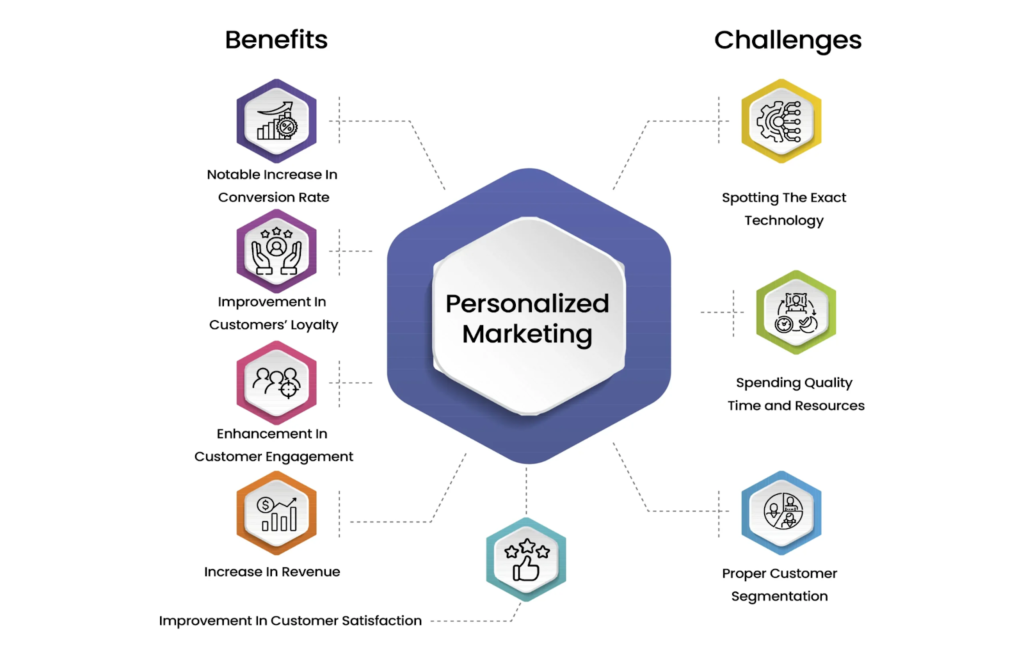
Challenges with personalization across multiple touchpoints
Personalization is the engine of high-conversion e-commerce. However, providing a personalized experience across channels requires a centralized data “brain” that Magento doesn’t always provide out of the box.
While you might show “Recommended for You” products on your homepage, extending that relevance to an email or a Facebook ad requires sophisticated data piping and synchronization.
- Stale recommendations: Showing an ad for a product the customer already bought because the “Purchased” segment hasn’t updated in the ad tool.
- Email misalignment: Sending a “We Miss You” email while the customer is actively browsing your site on a different device.
- Generic ads: Serving the same broad banner ad to a high-intent browser and a first-time visitor due to lack of behavioral data.
Measuring ROI and attribution across channels
How multi-channel marketing challenges for Magento stores often culminate is in the struggle for accurate attribution. If a customer interacts with four ads, which one actually earns the credit?
Standard attribution models are often flawed because they ignore the awareness-building work done by early-stage channels. For Magento owners, calculating true ROI requires sophisticated tracking setups.
- Over-crediting channels: Relying on “Last Click” attribution which gives all the credit to the final ad, ignoring the expensive “First Click” awareness ads.
- Missing offline data: Failing to account for how online ads might drive a customer to call your sales team or visit a physical location.
- Hidden costs: Forgetting to factor in marketplace fees and shipping costs when calculating the true ROI of a specific marketing channel.
Preparing Magento stores to overcome multi-channel challenges
While the obstacles are significant, they are not insurmountable. The key to success lies in moving away from reactive “fixes” and toward a proactive, integrated data infrastructure.
Preparing your store for multi-channel success involves auditing your current tech stack. You must ensure that your data is clean, accessible, and ready to be shared with the wider world.
Aligning Magento data with marketing and analytics platforms
The first step in any multi-channel strategy should be data hygiene. You must ensure that your Magento product catalog is organized with clear, consistent attributes and naming conventions.
Once your internal data is clean, you need to establish a “source of truth.” For most, this means ensuring that Magento is the master record for all inventory and pricing information.
- Centralized PIM: Using a Product Information Management tool to enrich Magento data before it is sent to external channels.
- Real-time sync: Prioritizing “push” notifications over “pull” requests to ensure external platforms update the moment a change occurs in Magento.
- Error logging: Setting up alerts that notify your team if a product feed fails or if a price discrepancy is detected between systems.
Standardizing workflows for campaigns and promotions
To avoid operational burnout, Magento merchants must standardize how they launch and manage campaigns. This involves creating a centralized marketing calendar for all digital activities.
Instead of treating each channel as a separate project, think of them as different facets of the same campaign. Use Magento’s “Scheduled Changes” feature to automate theme and price updates.
- Campaign checklists: Ensuring every department (creative, technical, and marketing) knows their role before a promotion goes live.
- Template usage: Developing reusable email and social templates that pull directly from Magento product data to reduce manual entry.
- Automated testing: Using tools to verify that tracking tags and discount codes work correctly before the official campaign launch.
Scaling multi-channel strategies without losing control
As your business grows, the “manual” way of doing things will eventually break. Scaling requires automation and a shift toward enterprise-level systems that can handle increased data loads.
This might involve investing in an ERP system to sync multi-warehouse inventory or a CDP to manage customer profiles. Automation allows your team to focus on strategy rather than logistics.
- Automated bidding: Using AI-driven tools to manage ad spend based on real-time performance data from your Magento store.
- Stock-based ads: Automatically pausing marketing for any product that falls below a certain inventory threshold in your warehouse.
- Triggered messaging: Setting up automated emails based on Magento events, such as cart abandonment or post-purchase follow-ups.
Multi-channel marketing on Magento is a journey of constant refinement. By identifying the gaps in your data and the friction points in your customer journey early on, you can build a more resilient brand.
While the technical demands are high, the rewards of an integrated strategy are significant. Higher customer lifetime value and better brand recognition are the natural results of a cohesive multi-channel presence.
Conclusion
Managing a Magento store in a multi-channel world is about balancing power with precision. While the platform provides the foundation for growth, your strategy determines the ultimate success.
By addressing these common challenges head-on and adopting best practices for data alignment, Magento merchants can turn potential obstacles into long-term competitive advantages.
Building a brand that thrives across every digital touchpoint requires patience and the right technical tools. Focus on the customer experience, and the ROI will naturally follow.