

Running a Magento 2 store requires a delicate balance between managing logistics and driving growth. As an e-commerce business scales, manual marketing becomes a bottleneck. To remain competitive in 2026, merchants must leverage automation to handle repetitive tasks, allowing them to focus on high-level strategy.
Below is a curated list of Magento 2 extensions designed to automate your marketing workflows, categorized by their specific impact on the customer journey.
Email marketing & automation extensions
Email remains the backbone of e-commerce ROI. Automating this channel ensures that your brand stays top-of-mind without a team member having to hit “send” for every customer interaction.
Automated email campaigns
Manual email outreach is impossible to scale. Automated campaigns ensure that every customer receives a consistent, branded experience from their first interaction to their hundredth purchase. This consistency builds long-term trust and significantly increases customer lifetime value by nurturing leads even when your team is offline.
Key features
- Event-based triggers: Send emails immediately after signups, birthdays, or specific order milestones.
- Pre-built workflows: Access library templates for welcome series, win-back, and follow-up sequences.
- Visual automation builders: Drag-and-drop interfaces to design complex branching logic based on user behavior.
- Real-time analytics: Track open rates, click-through rates, and revenue generated per automated sequence.
Read more: Magento retargeting campaigns

Abandoned cart automation
With average cart abandonment rates exceeding 70%, thousands of dollars in potential revenue sit idle every month. Automating the recovery process turns a lost visitor into a conversion without any manual oversight, often recovering 10–20% of otherwise lost sales.
Key features
- Scheduled reminders: Set a series of emails at specific intervals (e.g., 1 hour, 24 hours, and 3 days after abandonment).
- Dynamic coupon generation: Automatically include unique, time-sensitive discount codes to incentivize completion.
- One-click cart restoration: Links in the email take the customer directly back to their pre-filled checkout page.
- Guest checkout tracking: Capture email addresses from guests as they type them, even if they do not finish the first step of checkout.
Newsletter & segmented email lists
Generic “batch and blast” emails are increasingly ineffective and can hurt your sender reputation. Automation allows you to filter your audience into highly relevant groups, ensuring your promotions only reach the people most likely to buy, which maximizes engagement and minimizes unsubscribes.
Key features
- Behavioral segmentation: Groups customers based on what they browse, their total spend, or their last purchase date.
- Auto-updating lists: Customers move in and out of segments like VIP or lapsed automatically based on real-time data.
- A/B testing: Automatically test different subject lines or content layouts to see which segment responds best.
- Personalized dynamic content: Insert the customer’s name or recently viewed items directly into the newsletter layout.
CRM & customer data automation
Data siloed in Magento is only half-useful. Connecting it to your broader tech stack is vital for a 360-degree view of the customer.
Customer segmentation
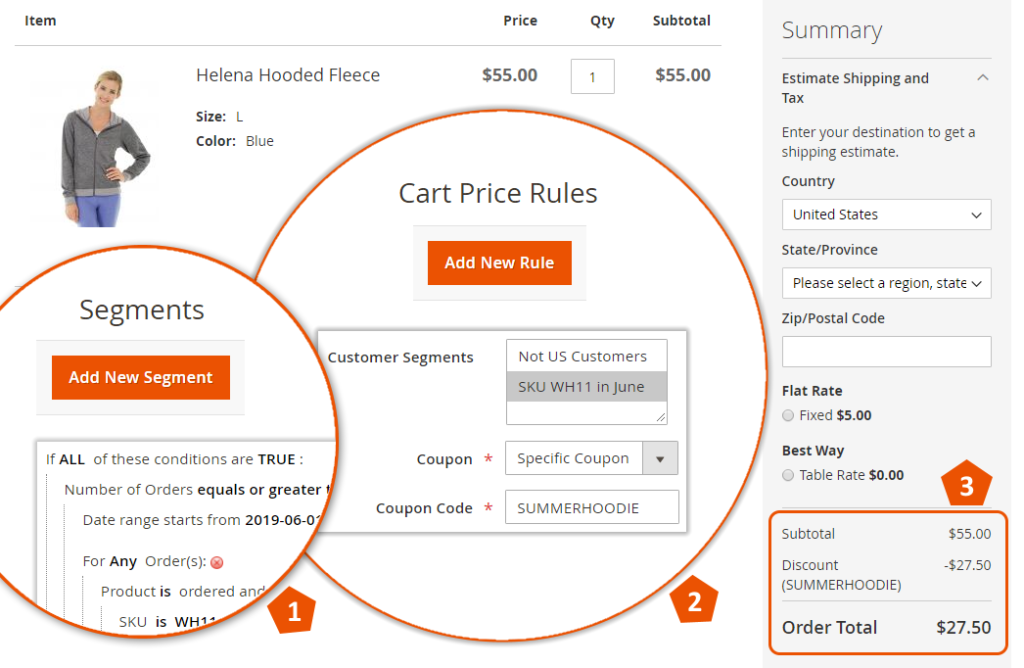
Modern marketing is about relevance. Automating the segmentation of your database ensures that your high-spending VIPs get one type of treatment while window shoppers get another, leading to a much higher ROI on your marketing spend.
Key features
- RFM analysis: Automatically ranks customers by recency, frequency, and monetary value.
- Predictive segments: AI-driven grouping that predicts which customers are likely to leave soon.
- Real-time processing: Customers move into a new segment the second they hit a specific spending threshold.
- Cross-extension sync: Segments can be used to trigger specific emails, push notifications, or loyalty rewards.
CRM sync
Your sales and support teams need to know what your marketing team is doing. Automating the sync between Magento and your CRM ensures a single source of truth, preventing errors and improving customer service.
Key features
- Bi-directional sync: Changes made in the CRM automatically reflect in Magento and vice versa.
- Order history sync: Gives your sales team a full view of everything the customer has ever bought.
- Real-time data flow: Information is updated the moment an action happens rather than waiting for nightly batches.
- Lead scoring integration: Sync Magento browsing behavior to the CRM to help sales teams prioritize the hottest leads.
Read more: Magento exit-intent popups
SMS & push notification tools
With mobile commerce dominating the market, reaching customers directly on their devices is the most effective way to grab immediate attention.
Automated SMS alerts
SMS has an open rate of nearly 98%, far outpacing email. Automating SMS alerts ensures that critical information, like flash sales or shipping updates, reaches the customer instantly, leading to higher engagement and a more modern brand perception.
Key features
- Instant order updates: Automatically text customers when their order is confirmed, shipped, or out for delivery.
- Global gateway integration: Connects seamlessly with providers like Twilio, Vonage, or BulkSMS.
- Time-sensitive triggers: Send automated texts for the last hour of a sale or flash deals based on the customer’s time zone.
- Unsubscribe management: Automatically handles opt-outs to ensure legal compliance with mobile marketing regulations.
Web push marketing
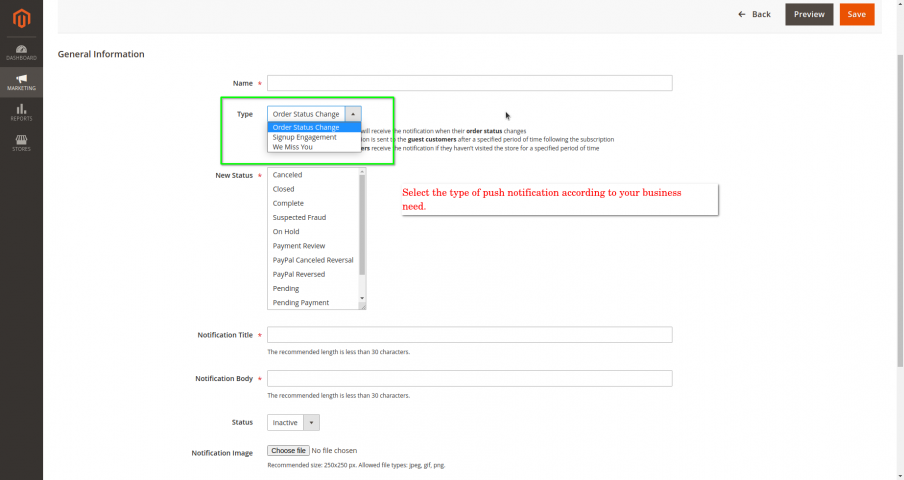
Web push notifications allow you to speak to your customers even when they are not on your website. This creates a powerful re-engagement loop that brings visitors back to the store without requiring them to check their inbox or open a social media app.
Key features
- Back-in-stock alerts: Automatically notify a customer the moment a product they wanted is replenished.
- Price drop notifications: Trigger a push alert if an item in the customer’s recently viewed list goes on sale.
- Browser-based opt-ins: Simple one-click permission prompts that do not require personal data like phone numbers or emails.
- Segmented push: Send specific notifications to users based on which category pages they frequent.
SEO & organic traffic automation
Organic search remains one of the most cost-effective ways to drive high-intent traffic. A Magento 2 SEO module helps automate your SEO workflows, ensuring that your store remains visible in search engine results pages (SERPs) as your catalog scales, while preventing manual errors and missed ranking opportunities.
Automated on-page SEO optimization
Manual SEO optimization is time-consuming and often inconsistent at scale. Automation ensures every page follows SEO best practices, helping search engines understand your store structure and improving organic visibility without ongoing manual work. By setting global rules, you ensure that even new product launches are SEO-ready the moment they go live.
Key features
- Automated tag management: Automatically sets H1-H3 tags, meta titles, and descriptions based on page content.
- Canonical URL automation: Prevents duplicate content issues by automatically assigning canonical tags to the preferred version of a page.
- Internal linking rules: Define rules to automatically link keywords within product descriptions to relevant category pages.
- Bulk optimization tools: Apply SEO changes to thousands of products or CMS pages simultaneously through a single dashboard.
Dynamic metadata generation
Keeping metadata consistent and optimized is a massive challenge when your catalog grows or changes frequently. This tool reduces SEO gaps that can limit traffic growth by ensuring that metadata is always present, relevant, and keyword-rich, regardless of how many new SKUs are added to the store.
Key features
- Attribute-based templates: Use variables like [product_name], [color], and [brand] to generate unique meta descriptions automatically.
- Category-level rules: Set different metadata logic for different categories (e.g., “Shoes” vs. “Accessories”).
- Filter and layer optimization: Generate SEO-friendly metadata for filtered search results and layered navigation pages.
- Character count validation: Automatically truncates metadata to fit within Google’s recommended pixel lengths.
XML sitemap & indexing automation
Ensuring new products, categories, and content are indexed quickly is vital for fast organic traffic acquisition. Automating the sitemap lifecycle removes the need for manual submissions and ensures that search engine crawlers are always notified the moment you update your inventory or publish a new blog post.
Key features
- Auto-updating sitemaps: Automatically adds new URLs to the XML sitemap as soon as a page is created.
- Search engine pinging: Automatically notifies Google and Bing every time the sitemap is updated.
- Exclusion logic: Set rules to automatically exclude low-value pages (like “Thank You” pages or checkout) from the sitemap.
- Image sitemap support: Includes product images in the sitemap to help your store appear in Google Image search results.
Structured data & rich snippet automation
Rich snippets enhance search result appearance, significantly improving click-through rates and driving higher-quality traffic from organic search. By automating schema markup, you ensure that your listings stand out with star ratings, prices, and stock status directly on the search results page.
Key features
- Schema markup automation: Automatically injects JSON-LD code for products, reviews, and organization profiles.
- Price and availability snippets: Displays real-time pricing and “In Stock” labels directly in search results.
- Breadcrumb schema: Helps search engines display a clear site hierarchy in the URL path of the search result.
- Review and rating integration: Syncs your product ratings to the schema so that gold stars appear under your search listings.
Loyalty, rewards & referral automation
It is significantly cheaper to retain a customer than to acquire a new one. Automation tools can help turn a one-time buyer into a lifelong advocate.
Loyalty points automation
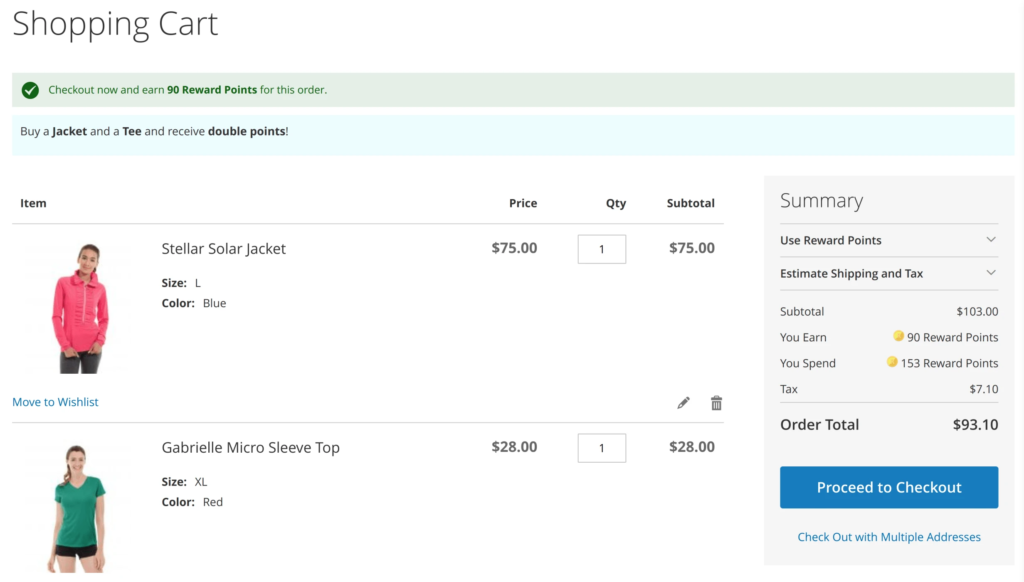
A loyalty program only works if it is easy to use. Automating the point-earning and redemption process ensures customers see immediate value in their account, creating a lock-in effect where they choose your store over competitors to use their accumulated points.
Key features
- Multi-action earning: Automatically award points for signups, reviews, social shares, and birthdays.
- Flexible redemption rules: Allow customers to pay for taxes, shipping, or specific products using points.
- Expiration reminders: Automated emails that warn customers when their points are about to expire, driving an urgent return visit.
- Point-to-currency conversion: Easily set rules (e.g., 100 points = $1) that apply across the entire store.
Referral program tools
Referral marketing is the most trusted form of advertising. Automating this process removes the friction for your customers, giving them the tools to promote your brand to their friends in exchange for rewards, essentially building a passive customer acquisition engine.
Key features
- Unique referral links: Automatically generated for every registered customer in their account dashboard.
- Dual reward logic: Automatically grant a discount to both the person referring and the new customer once a purchase is made.
- Social sharing buttons: Integrated widgets that let customers share their link to WhatsApp, Facebook, or X with one click.
- Fraud detection: Automated checks to prevent self-referrals and gaming of the reward system.
Product recommendations & personalization extensions
Modern shoppers expect a tailored experience similar to what they find on major global platforms.
Automated product blocks
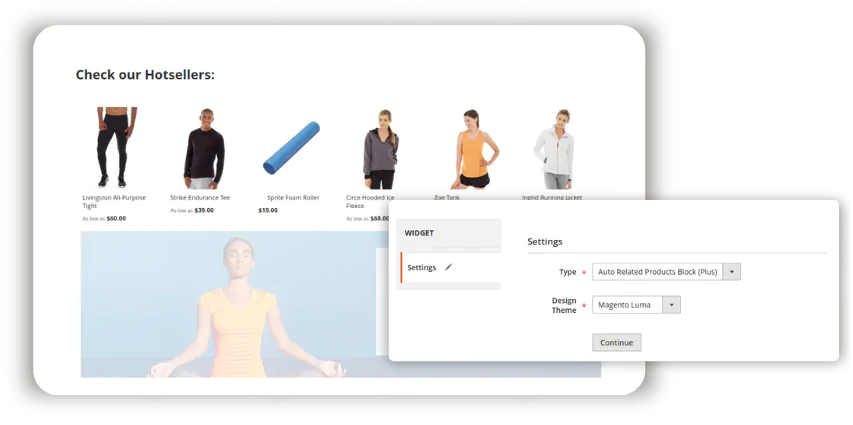
Manual cross-selling is impossible once you have more than a few dozen products. Automated blocks use algorithms to analyze purchase patterns, ensuring that the related products shown are actually relevant, which increases the average order value.
Key features
- Smart algorithms: Blocks like “customers who bought this also bought” or “frequently bought together.”
- AJAX loading: Recommendations load instantly without slowing down the initial page render.
- Placement flexibility: Insert blocks on the homepage, category pages, product pages, or even inside the shopping cart.
- Performance tracking: Dedicated dashboards to see which recommendation types are driving the most clicks and sales.
Personalized content rules
A one-size-fits-all website is a missed opportunity. By automating content changes based on user segments, you can show specific banners or products tailored to a customer’s interests, significantly improving the relevance of your storefront and increasing conversion rates.
Key features
- Dynamic banners: Show different hero images based on a customer’s gender, location, or past purchase history.
- Category sorting: Automatically reorder products in a category based on what a specific user is most likely to buy.
- Geo-IP targeting: Display local currency, shipping estimates, or region-specific promotions automatically.
- Customer group pricing: Automatically display different prices for wholesale versus retail segments upon login.
Review & social proof automation
Social proof is a critical psychological trigger in e-commerce. Automating the collection and display of reviews builds immediate credibility.
Review request automation
Most customers will not leave a review unless they are prompted. Automating this request ensures you have a constant influx of fresh feedback, which is vital for search engine rankings and for convincing new shoppers to trust your products.
Key features
- Post-purchase timing: Schedule emails to go out based on order status (e.g., 7 days after the item is delivered).
- In-email forms: Allow customers to submit a rating and text directly within the email without visiting the site.
- Coupon incentives: Automatically send a discount code to the customer once their review is approved.
- Review moderation queue: Automated filters to flag spam while allowing genuine reviews to go live immediately.
Automated ratings display
Product ratings are often the first thing a customer looks for. Automating the sync between your review database and your product pages ensures that your brand’s reputation is visible everywhere a customer might find you, including search results.
Key features
- Rich snippets integration: Automatically adds schema markup so star ratings appear in search engine results.
- Review summary graphs: Visual charts on product pages that show the breakdown of star ratings.
- Verified buyer badges: Automatically checks order history to verify and label reviewers, increasing trust.
- Photo and video support: Let customers upload media with their reviews, which is then automatically displayed in a gallery.
SMS/Email coupon distribution extensions
Discounts are powerful, but managing them manually for thousands of customers is impossible. Automation ensures the right code reaches the right person at the right time.
Triggered discount codes
Generic coupon codes are often leaked to coupon-aggregator sites, hurting your margins. Triggered, unique codes ensure that discounts are only given to the specific individuals who earned them, making the promotion feel exclusive and high-value.
Key features
- Unique code generation: Automatically creates a one-time-use alphanumeric code for every trigger event.
- Expiration logic: Set codes to expire after a few days to create urgency.
- Event hooks: Triggers include new newsletter signups, birthdays, or purchase anniversaries.
- Automated delivery: Codes are sent instantly via the customer’s preferred channel.
Bulk coupon campaigns
Setting up a massive seasonal sale like Black Friday can take days of manual work. Bulk automation allows you to generate and distribute thousands of codes across multiple channels in minutes, ensuring your marketing is ready for high-traffic periods.
Key features
- Mass generation: Create thousands of unique codes at once with specific usage limits.
- Automated export: Sync codes directly to your email service provider for distribution.
- Rule-based validation: Set automated restrictions so codes only work for specific categories or minimum order amounts.
- Campaign scheduling: Program the start and end times for coupon validity so the sale turns itself off automatically.
Social media & UGC automation
Integrating social media into your Magento store helps bridge the gap between discovery and purchase.
Instagram and TikTok feed display
Your website should feel live and interactive. Automating the pull of social media content onto your site provides social proof in action, showing real people using your products, which is often more convincing than a professional photoshoot.
Key features
- Hashtag monitoring: Automatically pull posts from social platforms that use your brand’s specific hashtag.
- Shoppable feeds: Tag products in the social media photos so customers can shop the look directly from the gallery.
- Content moderation: A simple dashboard to approve or hide specific posts before they appear on your site.
- Mobile responsive layouts: Feeds automatically adjust their size for desktop, tablet, and smartphone users.
Social share incentives
When a customer shares their purchase on social media, they are giving you a warm lead to their entire network. Automating the reward for this behavior encourages a viral loop of traffic that costs significantly less than paid ads.
Key features
- Instant reward issue: Automatically grant loyalty points or a coupon code the moment a share is detected.
- Post-purchase popup: A friendly prompt on the success page asking the customer to share their new buy.
- Referral tracking: Link the shared post back to your analytics to see how many new visitors the share generated.
- Cross-platform support: Works with Facebook, Pinterest, X, and WhatsApp.
Analytics, A/B testing & smart insights
You cannot improve what you do not measure. Automation in analytics helps you find the logic behind your sales data.
Automated marketing analytics
Data is only useful if it is accessible. Automating your reporting saves hours of manual spreadsheet work and ensures that you always have an up-to-date view of your marketing ROI, allowing for faster pivots in strategy.
Key features
- Visual dashboards: Real-time charts for revenue, conversion rate, and customer acquisition cost.
- Automated email reports: Receive a weekly summary of your store’s performance directly in your inbox.
- Campaign attribution: Automatically tracks which specific extension or email led to a sale.
- Lifetime value tracking: View the long-term profitability of different customer segments.

A/B test tools
Guessing which headline or button color works best is a recipe for stagnation. Automated A/B testing allows you to run experiments in the background, letting real customer data dictate the design of your store for maximum conversion.
Key features
- Traffic splitting: Automatically sends half of your users to Version A and half to Version B.
- Winner implementation: The system can automatically switch to the higher-performing version once statistical significance is reached.
- Testing variables: Test button colors, call-to-action text, banner images, or entire page layouts.
- Heatmap integration: See where users are clicking on both versions of the test.
How to choose the right extension for your store
- Define your goal first: Identify your biggest bottleneck. If you have traffic but no sales, focus on abandoned cart and product recommendations. If you have sales but no repeat buyers, focus on loyalty and review automation.
- Check integration compatibility: Ensure the extension is compatible with your specific Magento version and doesn’t conflict with your theme.
- Evaluate automation rules and flexibility: Look for tools that allow for custom if-this-then-that rules rather than generic settings.
- Consider scalability and reporting: Ensure the tool includes a reporting dashboard so you can measure your return on investment.
Conclusion
Automating your Magento 2 marketing tasks is the most effective way to scale your operations without exponentially increasing your headcount. By implementing these specialized extensions, you create a self-sustaining ecosystem that acquires, engages, and retains customers around the clock.
Would you like me to recommend specific top-rated developers for any of these extension categories?